
Laos
The only landlocked country in Southeast Asia, Laos moves at the pace of the Mekong and keeps thousands of Buddhist temples humming. Luang Prabang wakes to a daily procession of saffron-robed monks.
WHAT THE FLAG MEANS ◢
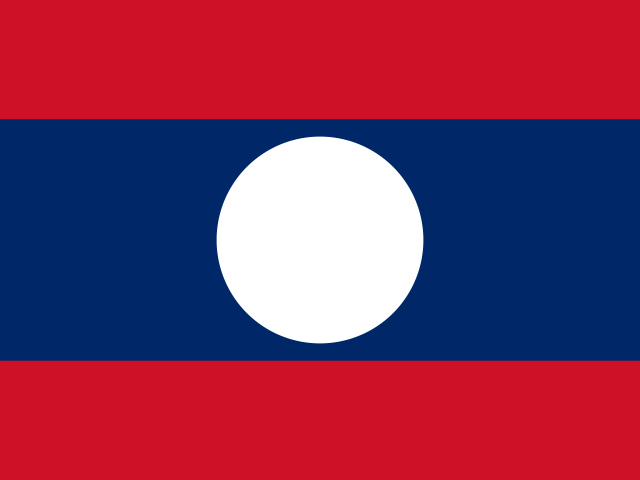
Three horizontal bands of red, dark blue and red, the blue one double-width and bearing a white moon at the centre. Article 115 of the constitution as revised in 2025 calls the white shape a moon, fixes the flag's height at two thirds of its width, each red edge at half the height of the dark blue field and the moon at four fifths of it, and assigns none of them a meaning. The readings of red as the blood shed for independence, of the blue as the Mekong and of the moon as unity or as the full moon over the river are conventional rather than the constitution's.
Source: laoofficialgazette.gov.la · checked 2026-08-26
Laos FACTS ◢
| Capital | Vientiane |
|---|---|
| Continent | Asia |
| Population | 7,873,046 (2025) |
| Area | 236,800 km² |
| Population density | 33/km² |
| Currency | Lao kip (LAK) |
| Official language | Lao |
| Calling code | +856 |
| Internet TLD | .la |
| Time zone | UTC+07:00 |
| Drives on the | Right |
| ISO codes | LA / LAO |
DID YOU KNOW? ◢
- It's the only landlocked nation in Southeast Asia.
- The Mekong River runs almost the entire length of the country, shaping its farms and cities.
- The Plain of Jars is dotted with thousands of ancient stone jars whose purpose is still debated.
- Luang Prabang, a former royal capital, is renowned for its temples and dawn alms-giving ritual.
Laos QUICK ANSWERS ◢
What is the capital of Laos?
The capital of Laos is Vientiane.
What is the population of Laos?
Laos had a population of 7,873,046 in 2025.
What currency does Laos use?
Laos uses the Lao kip (LAK).
What languages are spoken in Laos?
The official language of Laos is Lao.
Think you know your flags? Play Flag Daily → · Browse all countries →
MORE ON THE FLAG ◢
Most accounts of the Lao flag will tell you the red is blood, the blue is the Mekong and the white circle is the full moon over the river. Laos itself says none of that.
The country's flag is described in one article of its constitution. That article names the parts, fixes three proportions, and stops. It attaches no meaning to the red, no meaning to the blue and no meaning to the moon, and it has attached none of them since the first Lao constitution was promulgated in 1991.
What it does do is move. The provision has been numbered Article 77, Article 91, Article 112 and, since March 2025, Article 115, while its wording has barely shifted. So a source citing this provision may give any of four numbers for it.
Key Takeaways
- The flag provision is Article 115 of the constitution as revised in 2025. Before 22 March 2025 it was Article 112.
- The wording has been carried forward almost unchanged through four constitutional texts, and no version assigns any element a meaning.
- The Lao word for the white circle is ວົງເດືອນ, glossed in the SEAlang Library Lao Dictionary simply as "moon".
- The National Congress of People's Representatives fixed the flag on 2 December 1975. No constitution described it for nearly sixteen years after that.
- In July 2025 the National Assembly's Standing Committee changed how the national emblem is coloured, and its resolution does not mention the flag.
Why the Laos flag article keeps changing its number
Because Laos has revised its constitution three times, and each revision inserted new articles ahead of the chapter that holds the national symbols.
The National Assembly's own account of its constitutional history sets the sequence out. The first constitution of the Lao PDR was adopted unanimously by the Supreme People's Assembly on the afternoon of 14 August 1991 and promulgated the next day by acting President Phoumi Vongvichit, under Presidential Decree No. 55. It ran to ten chapters and 80 articles, and its Chapter IX covered "ພາສາ, ອັກສອນ, ເຄື່ອງໝາຍຊາດ, ທຸງຊາດ, ເພງຊາດ ແລະ ນະຄອນຫລວງ" - language, script, national emblem, national flag, national anthem and capital. The flag was Article 77.
The 2003 revision added a whole chapter on national defence and public security and took the text to eleven chapters and 98 articles. The flag became Article 91.
The 2015 revision added three more chapters, on local people's assemblies, on state audit and on the election committee, reaching fourteen chapters and 119 articles. The flag moved to Article 112.
The third revision was adopted on 20 March 2025 by the second extraordinary session of the ninth National Assembly, by 155 votes to one with no abstentions, and promulgated by President Thongloun Sisoulith on 22 March 2025, under Presidential Decree No. 037. It runs to 122 articles against the previous 119. The National Assembly published a breakdown that accounts for all of them: five articles are entirely new, one on territorial integrity and sovereignty and four on state inspection. Another 62 were amended, and 55 were left untouched. Those add to 122, which means two of the 2015 articles are not carried forward as articles of their own. The flag article is in the untouched 55, and what moved it is where the net gain of three falls. Seven articles follow the flag in both texts, so the whole of the gain sits ahead of the symbols chapter, and the flag slid three places with it.
| Constitution | Chapters | Articles | The flag article |
|---|---|---|---|
| 1991, the first | 10 | 80 | Article 77, in Chapter IX |
| 2003 revision | 11 | 98 | Article 91, in Chapter X |
| 2015 revision | 14 | 119 | Article 112, in Chapter XIII |
| 2025 revision | 14 | 122 | Article 115, in Chapter XIII |
The Lao Official Gazette carries all four texts, and the 2025 one marks its own amendments: articles the revision changed have a bracketed "(ປັບປຸງ)" beside the number. Articles 113, 114 and 115 - language, emblem and flag - have none. The flag was renumbered in 2025, not rewritten.
What the flag article actually says
The whole of the current provision is one sentence, and has been since 2015. In the gazetted Lao it reads:
"ທຸງຊາດ ຂອງ ສາທາລະນະລັດ ປະຊາທິປະໄຕ ປະຊາຊົນລາວ ແມ່ນ ທຸງພື້ນສີຄາມ, ແຂບສີແດງ ແລະ ວົງເດືອນສີຂາວຢູ່ເຄິ່ງກາງ ຂອງທຸງຊາດ, ລວງກວ້າງຂອງທຸງເທົ່າກັບສອງ ສ່ວນສາມ ຂອງລວງຍາວ, ລວງກວ້າງຂອງແຂບສີແດງ ແຕ່ລະເບື້ອງເທົ່າກັບເຄິ່ງໜຶ່ງຂອງລວງກວ້າງແຂບສີຄາມ ແລະ ວົງເດືອນສີຂາວ ກວ້າງເທົ່າກັບ ສີ່ສ່ວນຫ້າ ຂອງລວງກວ້າງແຂບສີຄາມ."
Rendered into English, that is: the national flag of the Lao People's Democratic Republic is a flag with a ຄາມ-coloured ground, red ແຂບ and a white moon at the centre of the flag. The width of the flag equals two thirds of its length. The width of each red ແຂບ equals one half of the width of the ຄາມ-coloured ແຂບ. The white moon is as wide as four fifths of that same width.
Two words are left in Lao there because neither has a clean English equivalent: ຄາມ, the colour, and ແຂບ, the word for the flag's three horizontal divisions. Each gets its own treatment here.
A list of parts and three measurements. There is no clause about what any of it stands for, and no cross-reference to any instrument that might supply one. The Comparative Constitutions Project's English edition of the 2015 text puts the equivalent article this way: "The National Flag of the Lao People's Democratic Republic is dark blue with red edges and a white moon in the middle of the flag."
That translation makes two moves worth naming. The article's own dimension words are ລວງກວ້າງ and ລວງຍາວ, the width and the length of the cloth; the English edition uses a different pair of English labels for the same two dimensions, giving "The height of the flag is two-thirds of its width". The ratio is identical either way. And where the Lao says only that the moon is ກວ້າງ, broad, the English edition supplies a bracketed "[diameter of the]". It also brackets "[the height of]" in the same sentence, though the Lao does say ລວງກວ້າງ there. Neither move is wrong. The brackets mark where the edition's English is doing work the Lao does not do word for word, which in the first case is supplying a word and in the second is relabelling one. Both are worth knowing about before quoting the article as though the English were the text.
The edition's word for the coloured parts is worth defending too. The article says ແຂບ, and every one of the seven senses the SEAlang Library Lao Dictionary lists for it turns on an edge: "edge, brim/brink; edging/border", the border of a circular object, a margin, a boundary. None is band or stripe. So "red edges" is a close rendering rather than a loose one. The catch is that the article uses the same word for the middle, measuring the red pair against ແຂບສີຄາມ, the indigo ແຂບ, which is the one division on the flag that is not an edge of anything. Next door, Cambodia flies a triband of the same shape, a white device centred on a double-width middle division, in blue and red with the two colours the other way round. The three divisions share one Lao word and English has none that fits all three.
The white circle is a moon in the legal text itself
The constitution calls it a ວົງເດືອນ, and that one word is where much of the confusion starts.
ວົງເດືອນ is a compound. Its first element, ວົງ, is the shape word: the SEAlang Library Lao Dictionary gives it as a ring, a hoop, and "objects shaped like a circle". Its second element, ເດືອນ, carries both "moon" and "month". The constitution itself uses each half elsewhere in the same neighbourhood of text. Article 114 of the 2025 text, on the national emblem, describes that emblem as a ຮູບວົງມົນ, a round figure, and locates the road, paddy, forest and hydroelectric dam ຢູ່ກາງຮູບວົງມົນ, in the middle of that round figure. Article 117 of the same text dates the national day to ວັນທີ 2 ເດືອນທັນວາ ປີ 1975, using ເດືອນ in its calendar sense.
Taken as a whole word, though, ວົງເດືອນ is a word for the moon in its own right. The only entry the SEAlang Library Lao Dictionary returns for the compound is "moon". So the shape on the flag is not a neutral disc that later tradition decided to read as lunar. The lunar reading is in the constitutional noun.
What is not in the constitutional noun is anything about what the moon is doing there. None of the four constitutional texts says the moon is unity, or the promise of a reunified country, or the full moon over the Mekong, and no other Lao instrument describing the flag has been found. Those readings all attach to a word the constitution supplies and a meaning it does not.
The colour word behaves the same way. The article gives the field as ສີຄາມ, and SEAlang's colour entry for ຄາມ is "indigo color", and secondly "the indigo plant, Indigofera hirsuta", the entry going on to name a second species of the same genus. Indigo dye comes from both. English renderings usually flatten that to "dark blue". The flag as flown does read as a dark blue, so nothing is lost visually, but "dark blue" is a translator's word rather than the constitution's, and the constitution attaches no more meaning to ຄາມ than it does to the red or to the moon.
What changed in the flag article between 1991 and now
Almost nothing. What did change tightened the geometry, modernised a spelling, or moved a punctuation mark.
The 1991 original, Article 77, reads: "ທຸງຊາດຂອງສາທາລະນະລັດປະຊາທິປະໄຕປະຊາຊົນລາວ ແມ່ນທຸງພື້ນສີຄາມ, ແຂບແດງ ແລະ ວົງເດືອນສີຂາວ." It then gives the same three measurements, in wording of its own.
The 2003 revision made six kinds of edit to that provision, at nine points in it, and every one is a matter of precision or of spelling. It changed "ແຂບແດງ", a red edge, to "ແຂບສີແດງ", an edge of the colour red. It added "ຢູ່ເຄິ່ງກາງຂອງທຸງຊາດ", at the centre of the national flag, which the 1991 text had left to be inferred. It prepended "ລວງກວ້າງຂອງ", the width of, to the red edge. It twice made the matching insertion on the other side of the ratio, so that the halves and the fifths are measured against "ລວງກວ້າງແຂບສີຄາມ", the width of the indigo edge, rather than against the edge itself. It modernised the spelling of the word for width, which occurs twice. And in the first of the three ratios it wrote the comparison out in full, as "ເທົ່າກັບ" where the 1991 text has the shorter "ເທົ່າ". The colour word is inserted twice as well, and those three doublings are how six kinds make nine points.
Those are the edits of a drafter tightening a specification and tidying its spelling. Collating the 2003 and 2015 texts character by character turns up exactly one further substantive change, and it is a punctuation mark: 2015 replaced the full stop after the opening description with a comma, merging what 1991 and 2003 both set as two sentences into the one sentence the article is today. Between 2015 and 2025 the same collation returns nothing but spacing. Across thirty-five years and three revisions, the Lao state has adjusted where the moon is said to sit and what the fractions are fractions of, and has never once added a clause saying what any of it is for.
The Laos flag is older than any constitution describing it
By nearly sixteen years. For anything earlier than December 1975 this article has nothing sourced to offer, and the gap is worth naming rather than papering over. A widely repeated account gives the design a named author and a date in 1945, and no Lao government source that could be opened here says so. Searching the National Assembly's own site for ມະຫາສີລາ, ສີລາ ວີລະວົງ, ວີລະວົງ and ວີຣະວົງ, and for ລາວອິດສະລະ and ລາວອິດສະຫລະ, returns three articles between them and not one is about the flag. The same search for ທຸງຊາດ returns seventeen, so the index is live and the absence is not an artefact of the search. Three independence-day posts on the National Assembly's site, in 2023 and 2025, do not mention the flag either. What follows is where the state's own account begins, not where the cloth does.
The Lao People's Democratic Republic was proclaimed on 2 December 1975. In a statement published on 11 December 2025 marking its own fiftieth anniversary, the National Assembly describes what the National Congress of People's Representatives did when it opened in Vientiane: it abolished the monarchy, established the People's Democratic Republic, created the Supreme People's Assembly, appointed a head of state, formed a government, and - in the same list, in the same sentence - "ກໍານົດທຸງຊາດ, ເພງຊາດ ແລະ ພາສາທາງການ", determined the national flag, the national anthem and the official language.
That is the state's own account of when this flag became the national flag: one line in a founding resolution, alongside the anthem and the language, with no description of the design recorded there and no explanation of it either.
From 2 December 1975 until 15 August 1991 the Lao PDR had no constitution at all. The flag flew over a republic with no fundamental law for fifteen years and eight months, and the first time the state wrote down what the flag looked like was Article 77 of the constitution it finally promulgated in 1991. The 2025 text still marks the anniversary: its Article 120 designates 15 August 1991 as National Constitution Day.
So the sequence runs the opposite way round to the intuitive one. The design was not specified and then adopted. It was adopted, flown for a decade and a half, and then described.
In 2025 the state recoloured the emblem and left the flag alone
Four months after the new constitution took effect, the Standing Committee of the National Assembly turned to the national symbols and issued a resolution.
Resolution No. 203, signed on 30 July 2025 by National Assembly President Saysomphone Phomvihane and published in the Lao Official Gazette that November, is titled "ມະຕິ ຄະນະປະຈຳສະພາແຫ່ງຊາດ ກ່ຽວກັບການປັບປຸງການໃສ່ສີໃສ່ເຄື່ອງໝາຍຊາດ" - a resolution on improving the colouring of the national emblem. It cites Article 114 of the 2025 constitution and gives its purpose as uniformity in applying that constitution across the country.
It makes two changes, in a document of five articles whose other three hand the job to the Secretariat, direct compliance and set the commencement date. Article 1 agrees to change the emblem's rendering "ຈາກສີດຳ", from black, to the colours the constitutional article specifies. Article 2 agrees to move the tips of the leaves outward slightly so they do not obscure the image of That Luang. The constitution's own word for that element, at Article 114, is ຮວງເຂົ້າສຸກ, ripe ears of rice; the resolution says only ໃບໄມ້, leaves.
That is a state paying close attention to how one of its emblems is drawn, in the same year, through the same body, on the authority of the article immediately before the flag article. The flag is not mentioned.
So the silence is not confined to one old article that nobody has revisited. The state returned to its symbols in 2025, in detail, and still wrote down only what they look like.
What the gazette's legislation search can and cannot show
The Lao Official Gazette runs a search over its own legislation, and it is a weaker instrument than it looks, so it is worth describing before reading anything into it. Its records come in two shapes. Some carry the instrument in full: the record for the 2013 Law on the Lao Women's Union carries all fifty-four of its articles. Others carry a title, a few metadata fields and a scanned PDF, and nothing else, and all four constitutions and the 2025 emblem resolution are that kind. That is why searching ທຸງຊາດ returns none of the constitutions, even though Article 115 opens with exactly that word. It is also why ເຄື່ອງໝາຍຊາດ does return the resolution, whose title carries the word, and does not return the constitution whose Article 114 opens with it. The search cannot show that no flag instrument exists. It can only show what has been titled or typed out.
What it shows is worth having anyway. Nothing at all comes back for ທຸງຊາດ, not even a title, and nothing for ເພງຊາດ, the national anthem. ທຸງ on its own returns one row, and it is not about the national flag: it is that Women's Union law, now superseded, which matches because its Article 49 provides that the union "ມີທຸງ ແລະ ເຄື່ອງໝາຍ", has a flag and an emblem, adopted by its own national congress. Existence and provenance, no description and no meaning. The same drafting habit, one level down.
Why the popular Laos flag meanings are not official
Because none of the four Lao constitutions attaches a meaning to any of it, and no other Lao instrument has been found that does.
The blood, the Mekong and the full moon are repeated in much the same terms by encyclopaedias, travel guides and reference sites. What none of them cite is a Lao instrument. The constitution is silent in all four of its versions, and the 2025 resolution is about the emblem.
The honest description of these readings is that they are conventional. They may well be old, they may well be widely held inside Laos, and this article does not claim they are wrong. They are simply not the constitution's, and a page that presents them as the official meaning is attributing to the Lao state a sentence that appears in none of its four constitutional texts.
A flag can be instantly recognisable - the kind of recognition Flag Daily tests with three guesses at the country - while what it means stays a matter of custom rather than law.
Even the National Assembly's own page is a version behind
The National Assembly publishes a page on the country's national symbols, with the emblem, the flag and the anthem side by side.
Its flag paragraph is worth reading closely, because it is not the article currently in force. It gives "ແມ່ນທຸງພື້ນສີຄາມ, ແຂບແດງ ແລະ ວົງເດືອນສີຂາວ." with a full stop after the moon and no clause placing the moon at the centre of the flag, and it measures the red edges and the moon against "ຂອງແຂບສີຄາມ" rather than against that edge's width. In every substantive respect that is the 1991 original. The one departure is that the page spells the word for width the modern way, ກວ້າງ, where the 1991 gazette has ກ້ວາງ - which is exactly what anyone retyping an old text would do, and which the 2003 revision did too. So the page reproduces the text the state adopted in its first constitution rather than the tightened version that replaced it in 2003 and has been in force ever since.
None of this changes what the flag is. It is a small illustration of how the geometry is the durable part. The description has been transcribed, translated, renumbered and lightly rewritten for thirty-five years, and through all of it the one thing nobody has been tempted to add is a meaning.
Frequently asked questions
What does the Laos flag mean?
Officially, nothing. Article 115 of the Lao constitution as revised in 2025 describes the flag - an indigo field with red edges and a white moon at the centre - and fixes three proportions, but assigns no meaning to the red, the blue or the moon. The same has been true of every Lao constitution since 1991. The familiar readings of red as blood shed for independence, blue as the Mekong and the moon as unity are conventional rather than constitutional.
What is the white circle on the Laos flag?
A moon. The constitution's word for it is ວົງເດືອນ, which the SEAlang Library Lao Dictionary glosses simply as "moon", so the lunar reading comes from the legal text itself rather than from folklore. The constitution does not say what the moon represents, and does not connect it to the Mekong or to anything else.
Which article of the Lao constitution describes the flag?
Article 115, since the 2025 revision was promulgated on 22 March 2025. It was Article 112 in the 2015 text, Article 91 in the 2003 text and Article 77 in the original 1991 constitution. The wording has barely changed. The number moved each time a revision inserted new articles ahead of the chapter on national symbols.
Does the Lao constitution say the blue stripe is the Mekong?
No. The constitution names the field's colour as ສີຄາມ, indigo, and says nothing else about it - no river, no prosperity, no explanation of any kind. The Mekong reading is not attributed to any Lao instrument by the sources that repeat it, and none of the four constitutional texts contains it.
When did Laos adopt its current flag?
On 2 December 1975. The National Assembly's own account of that day records that the National Congress of People's Representatives, meeting in Vientiane, abolished the monarchy, established the republic and determined the national flag, the national anthem and the official language. The flag was not written into a constitution until Article 77 of the first Lao constitution, promulgated on 15 August 1991.
Sources
- Lao Official Gazette (Ministry of Justice), Constitution of the Lao People's Democratic Republic (2025 revision), 20 March 2025 - articles 113 to 122 and the preamble, read from the scanned PDF linked on that record; the record page itself carries no article text. Retrieved 26 August 2026.
- Lao Official Gazette, Constitution of the Lao People's Democratic Republic (2015 revision) - article 112, read from the scanned PDF linked on that record. Retrieved 26 August 2026.
- Lao Official Gazette, Constitution of the Lao People's Democratic Republic (2003) - article 91, read from the scanned PDF linked on that record. Retrieved 26 August 2026.
- Lao Official Gazette, Constitution of the Lao People's Democratic Republic (1991) - article 77, read from the scanned PDF linked on that record. Retrieved 26 August 2026.
- Lao Official Gazette, Resolution of the Standing Committee of the National Assembly on improving the colouring of the national emblem, No. 203 of 30 July 2025 - read from the scanned PDF linked on that record; the record page itself carries no article text. Retrieved 26 August 2026.
- National Assembly of the Lao PDR, The Constitution of the Lao PDR is the fundamental law of the Lao PDR state, 15 August 2022 - retrieved 26 August 2026.
- National Assembly of the Lao PDR, Promulgation of the 2025 revised Constitution on 22 March, 28 March 2025 - retrieved 26 August 2026.
- National Assembly of the Lao PDR, Marking the 50th anniversary of the founding of the National Assembly (2 December 1975 to 2 December 2025), 11 December 2025 - retrieved 26 August 2026.
- National Assembly of the Lao PDR, Lao PDR: national emblem, national flag, national anthem - retrieved 26 August 2026.
- National Assembly of the Lao PDR, independence-day commemorations - 78th anniversary, the accompanying document briefing and the 80th anniversary - none of which mentions the flag. Retrieved 27 August 2026.
- Lao Official Gazette, Law on the Lao Women's Union, art. 49 - retrieved 27 August 2026.
- Lao Official Gazette, legislation search for ທຸງຊາດ - the same endpoint was run for ທຸງ, ເພງຊາດ, ເຄື່ອງໝາຍຊາດ and ສັນຍາລັກ, all retrieved 26 August 2026.
- National Assembly of the Lao PDR, site search - run for ມະຫາສີລາ, ສີລາ ວີລະວົງ, ວີລະວົງ, ວີຣະວົງ, ລາວອິດສະລະ, ລາວອິດສະຫລະ and ທຸງຊາດ, all retrieved 27 August 2026.
- SEAlang Library Lao Dictionary, entries for ວົງເດືອນ, ວົງ, ເດືອນ, ຄາມ and ແຂບ - retrieved 26 August 2026.
- Comparative Constitutions Project, Lao People's Democratic Republic's Constitution of 1991 with Amendments through 2015 - English translation, article 112, retrieved 26 August 2026.
PLAY ANOTHER →
Three clues, three guesses. Work out where in the world it is.
THREE CLUESDAILYOn This DayOne thing that happened today in history. Every day, a new one.
TODAY IN HISTORYDAILYDaily TriviaFive questions a day. Everyone gets the same five.
FIVE QUESTIONSDAILYDaily CryptogramOne quote, one scrambled alphabet. Crack it before tomorrow.
CRACK THE QUOTE